|
Hurley - February 10, 2010
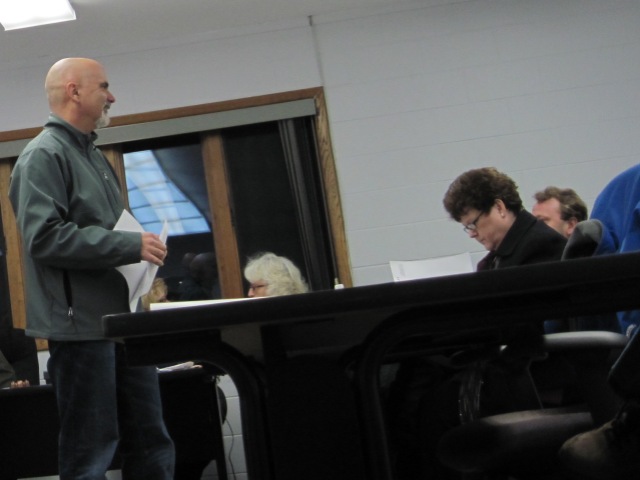
Tuesday evening, Hurley Police
Chief Dan Erspamer appeared at the City Council in regard to the
Wisconsin statewide smoking ban that goes into effect July 5 2010. The
information regarding the new law will be important not only to
Wisconsin residents, but as important to those living near the
Michigan-Wisconsin Border. For those who continue to smoke, life will
become a great deal more complicated after the Fourth of July
celebrating has concluded. Chief Erspamer provided the following items
to help “clear the air” around the issues.
Where is indoor
smoking allowed?
The ban on smoking does not apply in:
· A private residence;
· A retail tobacco
store or tobacco bar in existence on June 3, 2009;
· A
room used as a residence by only one person in an assisted living
facility or such a I room in which all occupants have requested
in
writing to be allowed to smoke; and
· Tribal casinos or
facilities (due to tribal sovereignty provided under federal law).
May indoor smoking areas be set aside?
No. Act 12 repeals
the authority of a person in charge of a building to designate rooms or
parts of rooms as smoking areas.
May local governments enact
smoking ordinances?
Yes. Counties, cities, villages, and towns
may enact ordinances, and school districts may.adopt policies that,
complying with the purpose of the law, protect the health and comfort
of the public. Any such rule regulating or prohibiting outside smoking
in certain areas may apply only to public property under the
jurisdiction of the governmental unit.
May businesses provide
outdoor smoking areas?
Yes. Outdoor smoking areas may be
designated by taverns, restaurants, private clubs, or retail
establishments that are a "reasonable distance" from any entrance to
the facility so that customers, employees, and others associated with
the business may smoke. A municipal smoking ordinance may not define the
term "reasonable distance," nor may it specify a minimum measured
distance.
What is the penalty for illegal smoking?
A
person who smokes where it is prohibited is subject to a forfeiture of
not less than $100 nor more than $250 for each violation.
If the
person in charge of a facility fails to take any required action to stop
illegal smoking, he or she is subject to a forfeiture of $100 for each
violation, but no more than one penalty per day. If the person in charge
has not previously received a warning notice, then the law enforcement
officer must issue a warning for the first violation in lieu of a
citation.
Who enforces the law?
The person in charge of
a facility is responsible for making reasonable efforts to prohibit
persons from illegally smoking. For example, a bartender may not provide
matches, ashtrays, or other smoking-related equipment, and must take
all of the following steps:
· Post warning signs or
provide other appropriate notification;
· Refuse to
serve a person who is smoking in a tavern, restaurant, or private club;
· Ask a person who is smoking to refrain from doing so;
· Ask a person to leave if he or she refuses to stop
smoking; and
· Immediately notify an appropriate law
enforcement agency if a smoker refuses to leave after being asked to do
so.
A person in charge may take other measures to prevent a
person from being exposed to secondhand smoke.
Sheriffs and
municipal police officers may issue citations if they observe someone
smoking where it is not permitted, or they may respond to citizen
complaints or when notified by the person in charge of a facility. The
Wisconsin Department of Justice is also authorized to enforce the
antismoking law.
An arrest or conviction for a violation of the
law may not be considered in any action to revoke, suspend, or refuse to
renew an alcohol beverage license or permit.
|